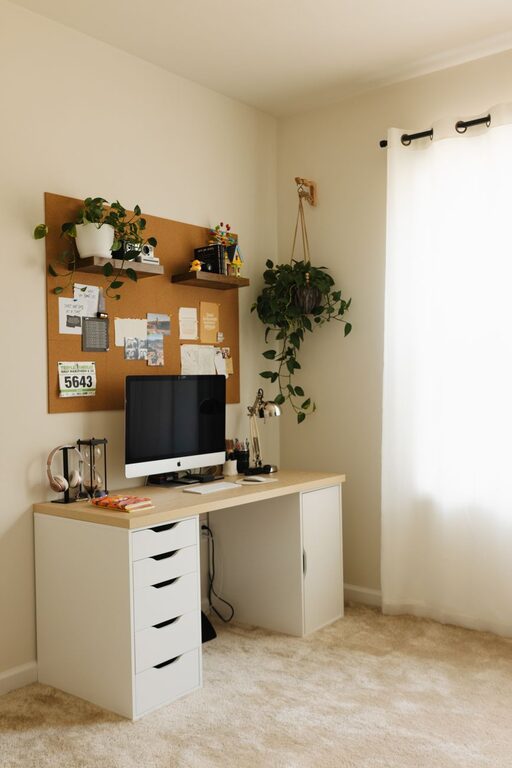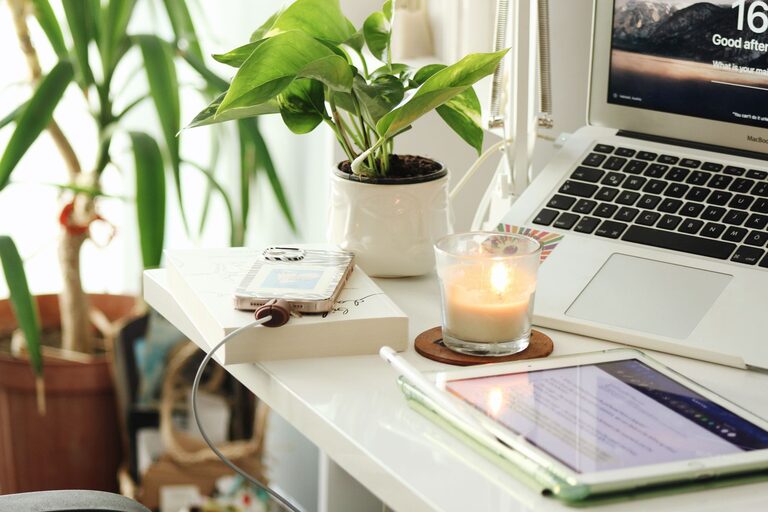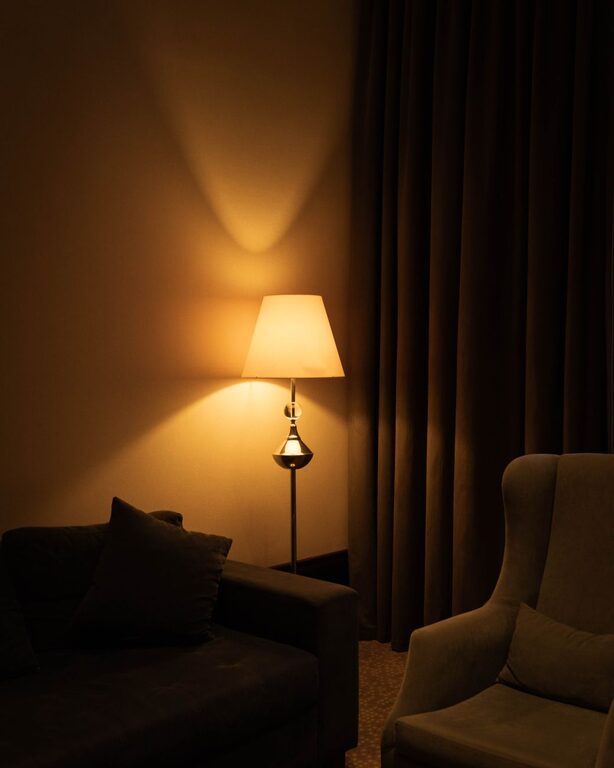

Creating a home office that feels both cozy and productive is essential for anyone working from home. A well-designed workspace can boost your focus, reduce stress, and make your workday more enjoyable. Whether you have a dedicated room or just a corner in your living space, these tips will help you create an area that supports your work and nurtures your well-being.
Why a Cozy and Productive Workspace Matters
When you think of a home office, you might picture a sterile desk and a basic chair. However, the environment you work in plays a significant role in your motivation and efficiency. Comfort helps reduce distractions by making you physically relaxed, while a productive setup ensures you have everything you need to stay on task. Combining these qualities transforms your workspace into a place you actually look forward to using.
Step 1: Choose the Right Location
Selecting the best spot for your home office is the foundation of a productive space. Ideally, pick a quiet area with minimal foot traffic and distractions.
– Natural light: Place your desk near a window to take advantage of daylight. Natural light reduces eye strain and improves your mood.
– Away from noise: If possible, avoid high-traffic areas or places near televisions and noisy appliances.
– Space considerations: Ensure there is enough room for your desk, chair, and any equipment without feeling cramped.
If you don’t have a separate room, create a dedicated zone using room dividers, plants, or furniture arrangement to make your workspace distinct from your living area.
Step 2: Invest in Ergonomic Furniture
Comfort is key for long hours at your desk. Ergonomic furniture supports your body and helps prevent discomfort or injury.
– Chair: Choose a chair with adjustable height, good lumbar support, and comfortable padding.
– Desk: Ensure your desk height allows your arms to rest at about a 90-degree angle when typing.
– Monitor placement: Position your computer screen at eye level and about an arm’s length away to reduce neck and eye strain.
If budget is a concern, consider adding cushions or footrests to improve comfort without a big investment.
Step 3: Organize with Purpose
Clutter can be a major distraction. An organized space helps clear your mind and keeps you focused.
– Storage solutions: Use shelves, filing cabinets, or desk organizers to keep supplies and documents neat.
– Cable management: Keep cords tidy using clips, sleeves, or ties to avoid tangled messes.
– Declutter regularly: Set a weekly routine to remove unnecessary papers and items to maintain order.
Labeling drawers or storage boxes can also make finding things easier and save time.
Step 4: Personalize Your Space
Adding personal touches makes your home office feel inviting and motivating.
– Decor: Use artwork, photos, or motivational quotes that inspire you.
– Plants: Incorporate greenery to improve air quality and add a refreshing element.
– Colors: Choose calming colors for walls and accessories, like soft blues or greens, or energizing colors like yellow if they suit your style.
Be careful not to overdo it—too much decoration can become distracting.
Step 5: Enhance Lighting
Good lighting is essential for reducing eye strain and maintaining alertness.
– Layered lighting: Combine natural light with ambient and task lighting. A desk lamp with adjustable brightness is helpful.
– Avoid glare: Position screens and lights to minimize reflections.
– Warm light: Using LED bulbs with a warm color temperature can create a cozy atmosphere.
Step 6: Incorporate Productivity Tools
Technology can help keep your home office running smoothly.
– High-speed internet: A reliable connection is critical for virtual meetings and research.
– Noise-cancelling headphones: These can block background noise and improve concentration.
– Planner or app: Use calendars, to-do lists, or productivity apps to stay organized and track your goals.
Step 7: Take Breaks and Move Around
Even the coziest office can lead to burnout if you don’t move regularly.
– Set timers: Use time management techniques like the Pomodoro method—work for 25 minutes, then take a 5-minute break.
– Stretch: Stand, stretch, or take short walks to reduce stiffness and boost energy.
– Change scenery: If possible, work from different spots to keep things fresh.
Final Thoughts
Your home office should be a place where you feel comfortable and inspired to work. By thoughtfully arranging your space, investing in comfort, maintaining organization, and adding personal touches, you can create a warm and efficient environment that enhances both your well-being and productivity.
Start small by making one or two changes today—over time, you’ll develop an ideal workspace tailored to your needs and preferences. Happy working!
About the Author