Creating a relaxing home workspace can significantly enhance your focus and productivity. Whether you work remotely full-time or occasionally take work home, having a dedicated and peaceful environment makes a big difference in how efficiently you accomplish tasks. In this post, we’ll explore practical tips to transform your home office into a calm and inviting space that helps you stay motivated and comfortable.
Why a Relaxing Workspace Matters
A cluttered or chaotic environment can increase stress and make it difficult to concentrate. On the other hand, a soothing workspace promotes a positive mindset and reduces distractions, allowing you to work more effectively. When your workspace feels comfortable and organized, you are more likely to enjoy the workday and maintain good habits.
Choose the Right Location
Finding the ideal spot for your home workspace is the first step.
– Quiet Area: Select a space away from household noise and foot traffic.
– Natural Light: If possible, position your desk near a window. Natural light boosts mood and reduces eye strain.
– Separate from Living Areas: Keeping work and leisure spaces distinct helps your brain switch between “work mode” and “relaxation mode.”
Invest in Comfortable, Ergonomic Furniture
Ergonomics play a vital role in comfort and productivity.
– Adjustable Chair: Choose a chair that supports your lower back and allows your feet to rest flat on the floor.
– Desk at Proper Height: Make sure your desk fits your height to avoid slouching or tension in your shoulders.
– Standing Options: Consider a sit-stand desk converter to change positions during the day and reduce stiffness.
Declutter and Organize Your Space
A tidy workspace reduces distractions and promotes calm.
– Minimal Essentials: Keep only the items you frequently use on your desk.
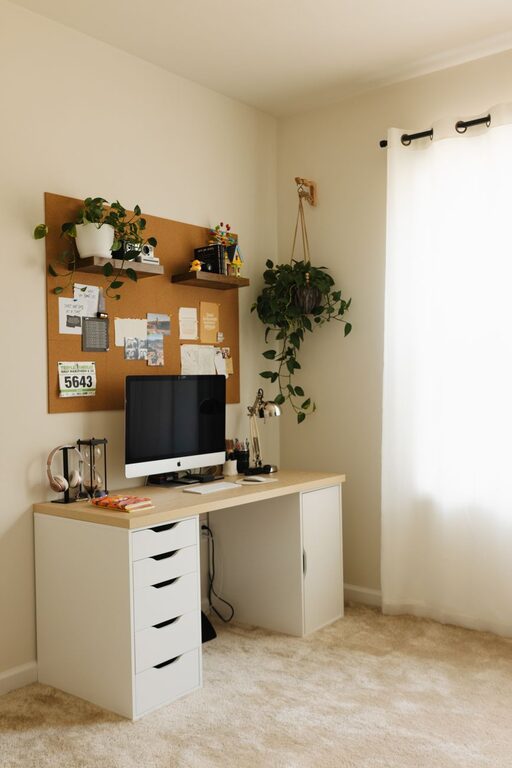
– Storage Solutions: Use drawers, shelves, or organizers to store papers, gadgets, and supplies out of sight.
– Daily Clean-Up: Spend a few minutes at the end of each day tidying your desk.
Personalize with Calming Elements
Adding personal touches can make your workspace relaxing and inviting.
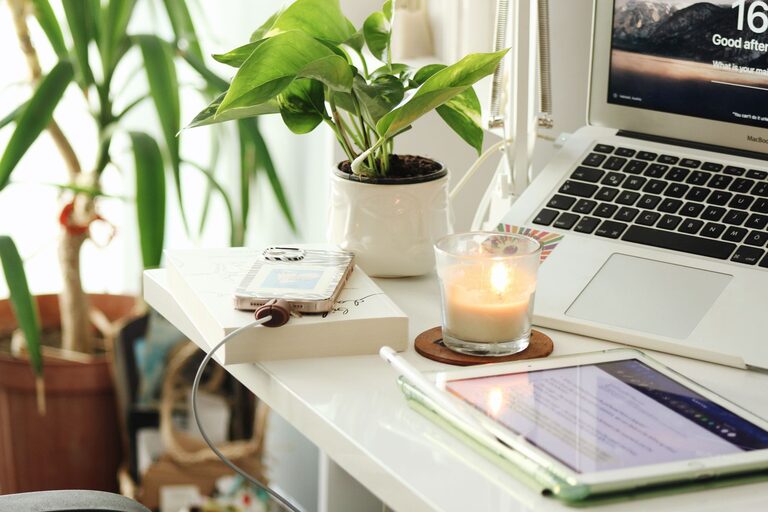
– Plants: Indoor plants improve air quality and add a touch of nature.
– Soothing Colors: Use calming colors like soft blues, greens, or neutrals for your walls or accessories.
– Artwork or Photos: Display a few favorite pieces that inspire or comfort you.
Use Proper Lighting
Lighting affects your energy and focus throughout the day.
– Natural Daylight: Maximize sunlight where possible.
– Task Lighting: Use adjustable desk lamps to reduce eye strain while reading or typing.
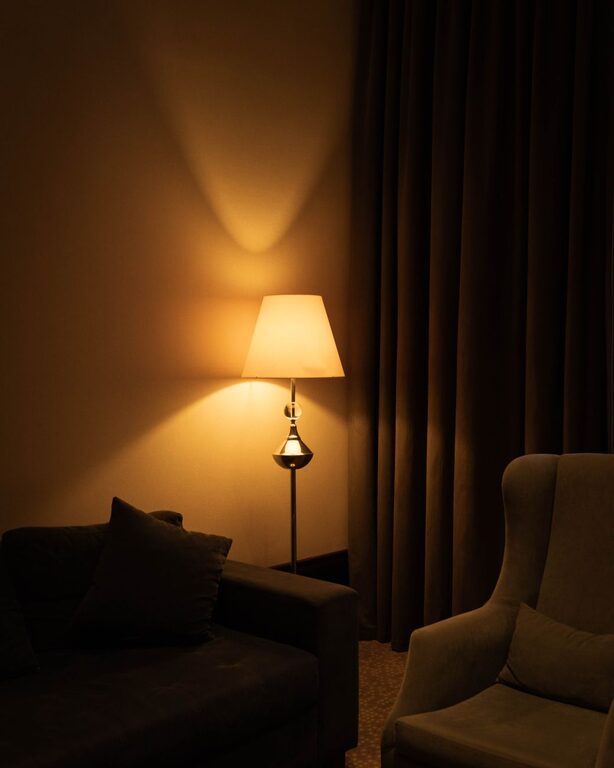
– Avoid Harsh Overhead Lights: Soft, diffused lighting creates a more relaxed atmosphere.
Manage Noise Levels
Sound control contributes to a peaceful workspace.
– Noise-Cancelling Headphones: Great for blocking distracting sounds.
– White Noise Machines or Apps: These can mask disruptive noises without being intrusive.
– Soft Materials: Carpets, curtains, and cushions help absorb sound.
Incorporate Break Areas Nearby
Taking regular breaks is essential for productivity.
– Comfortable Seating: Have a nearby spot with a comfy chair or cushions where you can step away and relax.
– Stretching Space: Leave room to stand and stretch briefly to refresh your body.
Establish Clear Boundaries and Routines
Creating routines helps your mind identify work time versus rest time.
– Set Work Hours: Determine when your workday begins and ends to avoid burnout.
– Use a Workspace Only for Work: Avoid using your desk for unrelated activities like eating or watching TV.
– Take Regular Breaks: Use techniques like the Pomodoro method to work in focused intervals.
Keep Technology Organized and Efficient
Technology can enhance or hinder productivity depending on setup.
– Cable Management: Use clips or sleeves to keep cords neat and prevent tangling.
– Reliable Equipment: Invest in good headphones, a mouse, and a keyboard that you enjoy using.
– Declutter Digital Space: Organize files and emails regularly to avoid digital clutter.
Practice Mindfulness and Stress Reduction
Incorporate stress-relief strategies into your workday.
– Breathing Exercises: Take short breaks for deep breathing to calm your mind.
– Stretching or Light Exercise: Move your body gently during breaks.
– Limit Multitasking: Focus on one task at a time for better efficiency.
—
Final Thoughts
Creating a relaxing home workspace is a valuable investment in your productivity and well-being. By choosing a comfortable location, keeping your space organized, personalizing with soothing elements, and establishing clear routines, you can build an environment that supports focused and enjoyable work sessions. Start small with a few adjustments and notice how your productivity and mood improve as you cultivate a space designed for success.
About the Author