Creating a cozy and inviting home workspace is essential for anyone looking to work efficiently while feeling comfortable and relaxed. A thoughtfully designed workspace can improve focus, reduce stress, and make long hours at the desk more enjoyable. Whether you have a dedicated room or a small corner, there are plenty of ways to transform your area into a pleasant work environment.
1. Choose the Right Location
Finding the perfect spot for your workspace is the first step. Ideally, select a space that offers natural light, minimal distractions, and enough room for your work essentials. If possible, avoid areas with heavy foot traffic or noise, as these can interrupt concentration.
Tips for the best location:
– Near a window to enjoy daylight
– Away from household noise sources (TV, kitchen, etc.)
– In a quiet corner or unused nook
– Close to power outlets and internet connections
2. Invest in Comfortable Furniture
A cozy workspace starts with comfortable furniture. Your chair and desk should support good posture and reduce strain to keep you comfortable during hours of work.
Key furniture considerations:
– Ergonomic chair: Look for one with adjustable height, lumbar support, and cushioned seating.
– Appropriate desk height: Choose a desk that fits your height and allows for comfortable arm positioning.
– Adjustable options: Consider sit-stand desks for flexibility and movement.
3. Use Soft, Warm Lighting
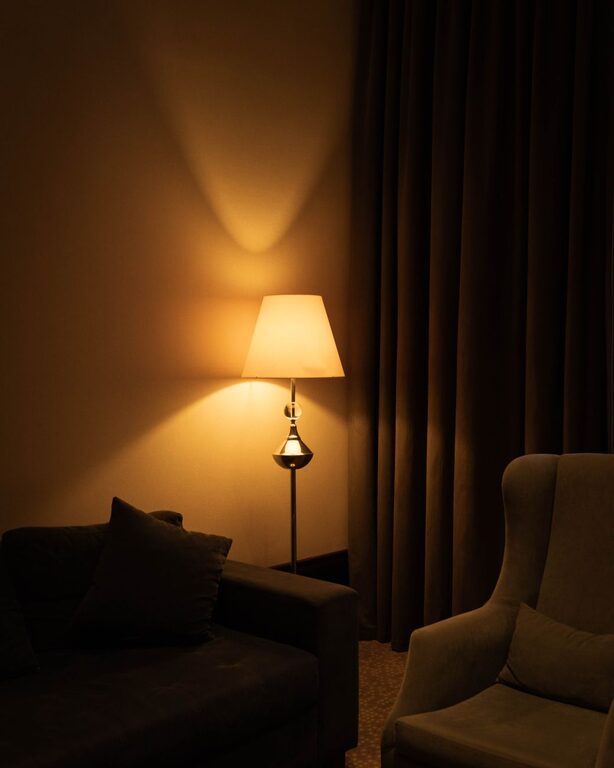
Lighting influences the mood and effectiveness of your workspace. Soft, warm lighting creates an inviting atmosphere compared to harsh fluorescent lights.
Lighting ideas:
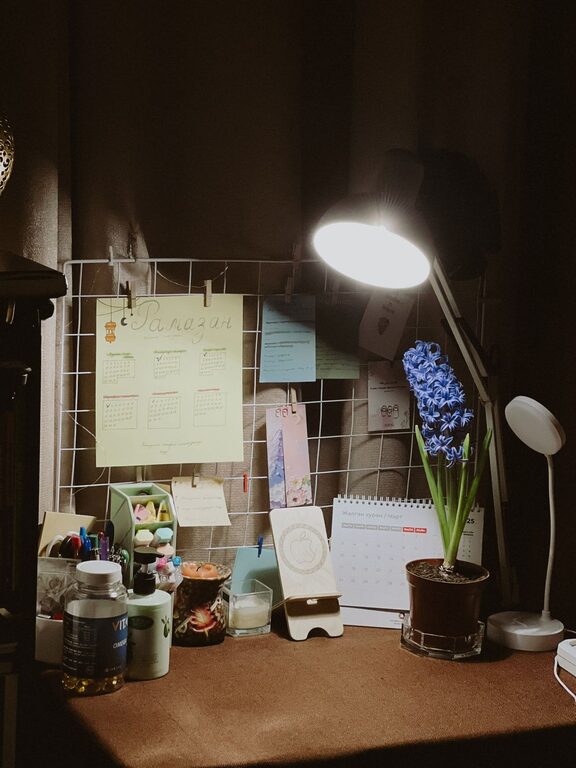
– Use a desk lamp with warm LED bulbs.
– Position your desk to maximize natural light but avoid glare on screens.
– Consider string lights or small lamps to add warmth and personality.
4. Add Personal Touches
Incorporating personal elements makes your workspace feel welcoming and uniquely yours. This can boost motivation and reduce the sterile feeling often found in work environments.
Ways to personalize:
– Display favorite photos or artwork.
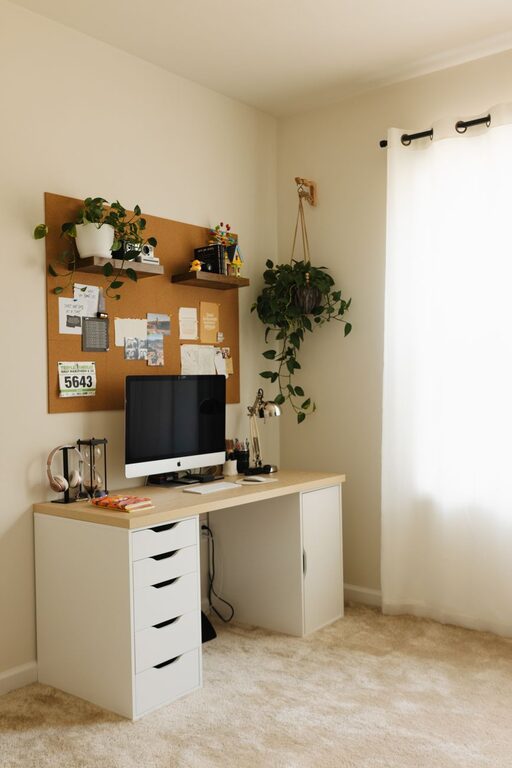
– Bring in small plants or flowers.
– Use colorful or patterned stationery and organizers.
– Add cushions or throws if your workspace includes a seating area.
5. Keep Your Space Organized
Clutter can distract and increase stress. Keeping your workspace tidy helps maintain focus and creates a calm environment.
Organizational tips:
– Use shelves, drawers, and boxes to store supplies.
– Keep your desk surface clear except for essential items.
– Use cable management tools to avoid messy cords.
– Regularly declutter to maintain order.
6. Incorporate Natural Elements
Bringing nature indoors can improve mood and air quality. Plants and natural materials make your workspace feel fresh and inviting.
Ideas for nature integration:
– Place small potted plants like succulents or herbs on your desk.
– Use wooden desk organizers or bamboo accessories.
– Incorporate natural light curtains or blinds.
7. Create a Relaxation Spot
If space allows, set up a small area nearby for short breaks. Having a spot to unwind without leaving your workspace can promote better mental health and recharge your focus.
What to include:
– A comfy chair or cushion
– Relaxing items like candles or a small speaker for calming music
– A side table for drinks or books
8. Manage Noise Levels
Noise can be distracting or stressful, so it’s important to manage sound in your workspace.
Noise control strategies:
– Use noise-cancelling headphones if your environment is loud.
– Play background music or white noise to mask distractions.
– Add soft textiles like rugs and curtains to absorb sound.
9. Maintain Good Air Quality
Fresh air is important for alertness and comfort while working.
Air quality tips:
– Open windows whenever possible.
– Use an air purifier or humidifier, depending on your climate.
– Avoid strong scents that might be distracting or bothersome.
10. Establish Boundaries
Creating mental and physical boundaries between work and personal life is key, especially when working from home.
Boundary-setting tips:
– Use a dedicated workspace to help separate work time from leisure time.
– Set specific work hours and stick to them.
– Inform family or housemates about your work schedule.
—
Final Thoughts
Designing a cozy and inviting home workspace doesn’t require major renovations or expensive purchases. With attention to comfort, organization, and personal touches, you can create an environment that nurtures productivity and well-being. Start small, experiment with different elements, and make your workspace a place where you enjoy spending time each day.
About the Author