Creating a relaxing home office environment is essential for staying focused, productive, and comfortable throughout your workday. When your workspace feels inviting and calm, it’s easier to reduce stress and maintain motivation. Whether you’re new to working from home or simply want to improve your current setup, these simple tips will help you design a home office that supports relaxation and efficiency.
Choose a Comfortable and Functional Workspace
The foundation of a relaxing home office is the right workspace.
– Select a quiet spot: Look for a quiet corner or room in your home where you can work without distractions.
– Invest in ergonomic furniture: A comfortable chair with good back support and a desk at the right height make a big difference for your posture and overall comfort.
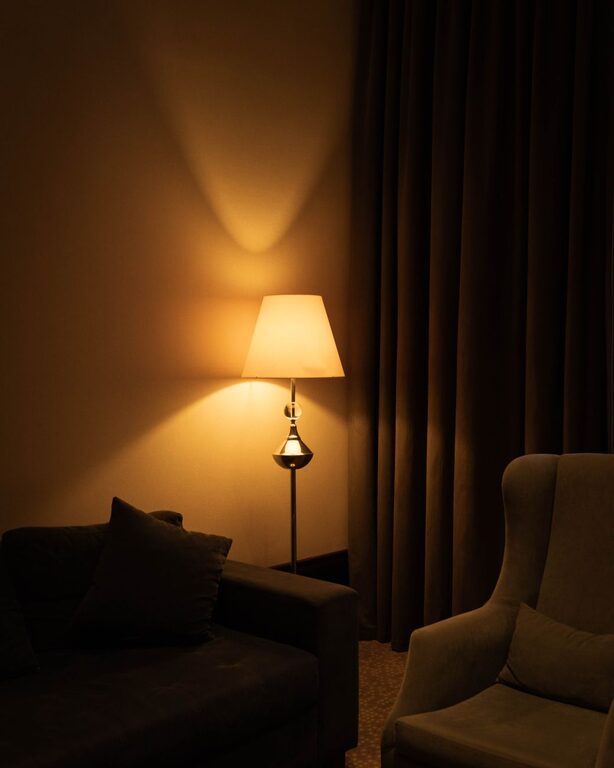
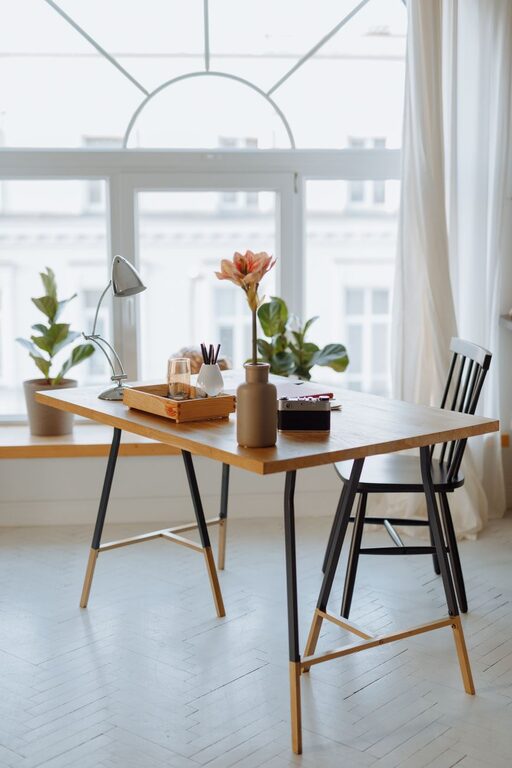
– Ensure adequate lighting: Natural light is ideal. Position your desk near a window if possible. If natural light is limited, use a quality desk lamp with adjustable brightness.
Keep Your Space Organized
Clutter can create stress and reduce your ability to focus. Keep your workspace tidy with these tips:
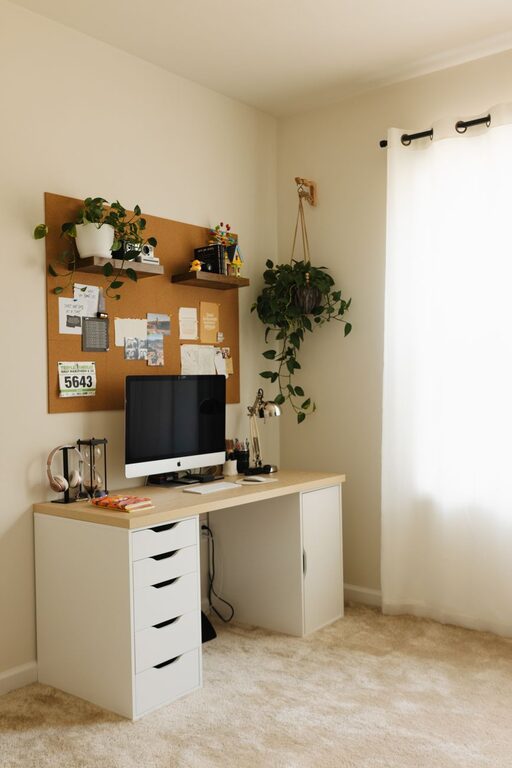
– Use storage solutions: Shelves, drawer units, and organizers help keep papers and supplies neatly arranged.
– Limit items on your desk: Only keep the essentials readily available to avoid distractions and mess.
– Daily clean-up: Spend a few minutes at the end of each day putting things away and wiping down surfaces.
Add Elements That Promote Relaxation
Incorporate small touches that make your workspace feel peaceful and inviting.
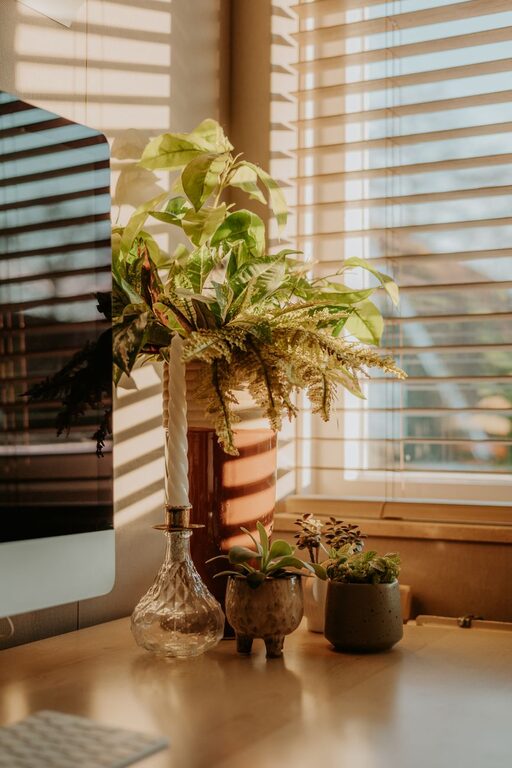
– Incorporate plants: Indoor plants improve air quality and add a touch of nature, which can be calming.
– Use soothing colors: Soft blues, greens, or neutrals can create a serene atmosphere. Consider wall paint, decor, or desk accessories in these shades.
– Have personal items: Family photos or a favorite small object can provide comfort and inspiration without cluttering your workspace.
Manage Noise Levels
Noise can be distracting and stressful. Here are ways to create a quieter environment:
– Use noise-canceling headphones: These can help block out background sounds, especially if your space isn’t entirely quiet.
– White noise machines or apps: Consistent background sound can mask sudden noises and promote concentration.
– Communicate with household members: Set boundaries or schedules to reduce interruptions during working hours.
Keep Your Technology Efficient and Minimal
Technology can be a great aid, but too many devices or cords can create a chaotic feeling.
– Organize cables: Use cable management tools like clips or sleeves to keep cords neat.
– Remove distractions: Turn off non-work notifications and silence unnecessary devices.
– Invest in reliable equipment: A good quality computer, printer, and internet connection save time and frustration.
Incorporate Regular Breaks and Movement
Sitting too long can cause tension and reduce productivity.
– Schedule short breaks: Stand up, stretch, or take a short walk every hour.
– Create a comfortable spot for breaks: A nearby chair or cushion can encourage movement away from your desk.
– Practice deep breathing or mindfulness: A few minutes of mindful breathing can help reset your energy and focus.
Personalize Your Office with Inspiring Elements
Your home office should reflect your tastes and motivate you.
– Use artwork or motivational quotes: Choose pieces that uplift your mood or spark creativity.
– Opt for comfortable textiles: Add a soft rug or cozy cushion to enhance comfort.
– Adjust the layout: Rearrange furniture to find what feels most comfortable and efficient to you.
Maintain Good Air Quality and Temperature
A well-ventilated and comfortable temperature helps you stay focused.
– Open windows when possible: Fresh air reduces stuffiness.
– Use fans or heaters: Keep the temperature at a comfortable level for you.
– Consider an air purifier: Especially useful in spaces with limited ventilation.
Final Thoughts
Creating a relaxing home office environment doesn’t have to be complicated or expensive. Small changes like adding plants, keeping your space organized, and optimizing comfort and lighting can make a big difference in how you feel while working. By prioritizing both function and comfort, you’ll build a workspace that supports your productivity and well-being day after day.
About the Author